15 Terms Everybody Who Works In Bi Fold Door Repair Industry Should Know
Bi Fold Door Repair – How to Fix Leaning Doors Without Removing the Hinges Bi fold doors are a stylish method to make your home more spacious and connect outdoor and indoor spaces. However, just like every other door system, they need to be properly maintained to function properly. This can be accomplished by cleaning and lubricating all mechanisms, including the lock, to ensure that they function smoothly. This will avoid problems that can cause them to fall or get misaligned. How to Fix a Leaning door If your door is sagging it could create gaps between the frame and the door that allow drafts to get in or stop the latch plate from line up with the strike rail. In many cases, a door that is leaning can be fixed without taking off the hinges. These quick and easy steps can save time effort and even cash. Start by tightening the hinge screws, using a screwdriver instead of drilling. Turn them clockwise, but do not overtighten as this can strip the holes. Then tighten the screws that secure the top hinge to the jamb and door. You can also increase the length of these screws. Sometimes, older hinges can lose their grip and become loose. Sometimes, tapping the three knuckles with the hammer using scrap wood may loosen them enough to let you pull the hinge pins away and slide them off. This will free the stuck hinge, but it will not fix the sagging of the door. To address the sagging of the door, you could use a hinge shim to extend it from the jamb. They are available at hardware stores and you can build them yourself. Simply trace the outline of your door hinge on a piece of cardboard and cut out the shape to use as a shank. Test a variety of shims to see how much you'll need to extend the hinge from the barrel. Then, place the shim inside the mortise for the hinge of the door jamb. If this doesn't resolve the sagging, you might need to adjust the sill and hinge jamb as well as the door's frame. If the hinge jamb has become bent and isn't in line with the wall, you can mark the return with the blade of a razor. Alternatively, you can utilize a level to determine the vertical alignment of the wallboard and frame. It is recommended to get a professional's help if your frame is twisted or not square. It is not unusual for older doors and frames to sag with the house. This is a problem that you cannot solve by yourself. How to Fix a Stuck door The doors are a vital component of any office or home. They are used to separate indoors from outdoors, and also open closets for storage of clothing and other things. As such, they are used on a daily basis and need to open and close smoothly without squeezing or moving. If your door is stuck, it can cause major disruptions in your day-to-day life and cause long-term damage if not addressed promptly. A stuck door can be fixed by following some simple steps. To begin, identify the area of the door which is rubbing against the frame. To do bifold door repair near me , simply run a piece of paper across the edge of the door and identify the area where it is stuck. This is the area that requires to be planed. Mark the area with pencil or other non-permanent marking tool. This will help you avoid removing excessive wood with your plane, which may cause the door to become too large and cause it to snag to the floor. Next, tighten the screws that connect the hinge plate to the doorjamb using the help of a screwdriver. By tightening these screws, you can eliminate the sagging that could cause the door to become stuck and provide a smoother operation. Turn the screws slowly to avoid stripping them. If hinges themselves are causing the door to become stuck, you can spray them with multipurpose household oil. This will grease the hinges and make them operate more fluidly. Another common reason for the door to become stuck is the weather and humidity. The humidity in the air can cause the wood to swell and create a gap between door and frame. This issue can be avoided by reducing humidity in the air, by using humidifiers and an air conditioner in the winter. If neither of these fixes is successful, the door could simply be too big for the frame. In this situation a planer is required to get rid of the rubbing edges of the door. This will require the removal of the door but it can be done fairly quickly with the right tools and a little patience. Repair a leaky door If your door is soaking in water, it's because of cracks and gaps in the frame that allow the rain to seep through. This is a common problem because doors are constantly exposed to the elements and may become damaged. Luckily, there are some easy steps you can take to avoid this happening in the near future. First, inspect the doorframe. Check for signs of cracks or rot. Repair any issues as soon as possible. Another important step is to inspect the sill. The door sill was designed to keep water out. However, it can leak if not installed or sealed correctly. If the ground is not properly sloped away, it could also cause water intrusion. 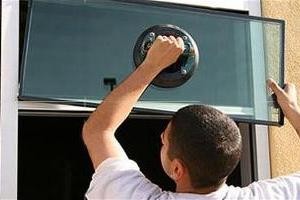 If you notice light coming in from the edges of your door frame It could be a sign that there is a leak or gap. You can use a rag or caulking to plug the hole in the meantime while you wait for a permanent solution. Leaking doors are a major problem that must be dealt with quickly to avoid costly damage. It is essential to make use of weather stripping and caulking on the outside of your home and check and maintain them regularly to prevent leaks. Add protective elements such as awnings that are placed over the door and ensure that the floor slopes towards the door to ensure it's dry. A professional can also help you determine if there are problems that require attention. They can provide expert guidance on how you can protect your door and make sure it's working correctly. This will help you save money on utility bills, increase the lifespan of your door and improve comfort, all while reducing the impact you have on the environment. A professional can also find ways to reduce your energy consumption by adjusting the way your home is heated or cooled. How do you repair a door that is cracked It's not attractive to have cracks in your door, especially in the case where the door's surface faces the entrance to your home. The cracks needn't be a problem that will last forever. The natural expansion and contraction of doors made of wood caused by fluctuating humidity levels can cause the door to break over time. This periodic movement can be corrected with putty or wood filler if the cracks are small enough. Larger cracks are often best repaired with epoxy adhesive or wood splines depending on the degree of damage. Start by removing the steel catch/strike plate and dead bolt, then applying wood glue to the damaged area of your door slab. Apply enough to reach deep into the cracks, and then use wood clamps to secure the door to the wall while the glue solidifies. After the glue has dried it is time to sand the surface with medium-grit sandpaper until it is in line with the rest of the door. Apply a coat of paint or stain to cover the filler and provide a polished look. If painting, we recommend using a roller rather than a paintbrush for a more uniform coverage. You can also apply an inch of plywood onto the door to repair these cracks. This method will give you an even surface that is easy to clean and that'll cover any cracks for a long time. This solution can be tricky to implement because it's hard to make the plywood fit tightly against the frame of the door. You'll need the right tools to do this. A more permanent and long-lasting solution for this issue is to replace the damaged section of your door frame. This is easier than you might believe and can be accomplished without dismantling the entire door. If you're handy it's a job that can be completed within a couple of hours and it won't cost more than a visit to the local hardware store. However, if your frame is severely damaged or rotten, it may need to be replaced entirely and it's best to hire an experienced professional to do the job.